
Growing herbs, the rewarding experience for those who love gardening, cooking, or simply want to add some greenery to their living space. Herbs are versatile, easy to grow, and can provide a variety of flavors and aromas to enhance any meal. In this blog post, we will discuss the best herbs to grow in particular seasons, what pots to use, and the best soil to keep them in.
Best Herbs to Grow in Particular Seasons
One of the benefits of growing herbs in a balcony garden is that you can choose to grow herbs that are in season, which will thrive in the current climate. For instance, in the spring, herbs like chives, parsley, and cilantro are great options to grow. Chives are a member of the onion family and have a mild onion flavor. They can be used in salads, soups, and stews. Parsley is a versatile herb that can be used as a garnish or in dishes like tabbouleh, while cilantro is commonly used in Mexican and Asian cuisine.
In the summer, basil is a must-have herb for any balcony garden. It is easy to grow and adds a sweet, spicy flavor to dishes. It can be used in pasta dishes, salads, and pesto sauce. Another herb to grow in the summer is mint. Mint is refreshing and adds a cool, sweet flavor to drinks, desserts, and salads.
In the fall, herbs like rosemary, thyme, and sage are great options to grow. Rosemary has a strong, woody flavor and can be used in roasted meats, potatoes, and bread. Thyme is a versatile herb that can be used in soups, stews, and marinades. Sage is a savory herb that is often used in stuffing, poultry, and sausage dishes.
In the winter, herbs like oregano, parsley, and thyme can still be grown on a balcony garden. Oregano is a Mediterranean herb that has a pungent, spicy flavor and is commonly used in Italian and Greek cuisine. Parsley can be used in soups and stews, while thyme can be used in roasts and casseroles.
What Pots to Use
When growing herbs on a balcony garden, it is important to choose the right pots. Pots should be large enough to accommodate the root system of the plant and provide adequate drainage. The material of the pot can also affect the growth of the plant.
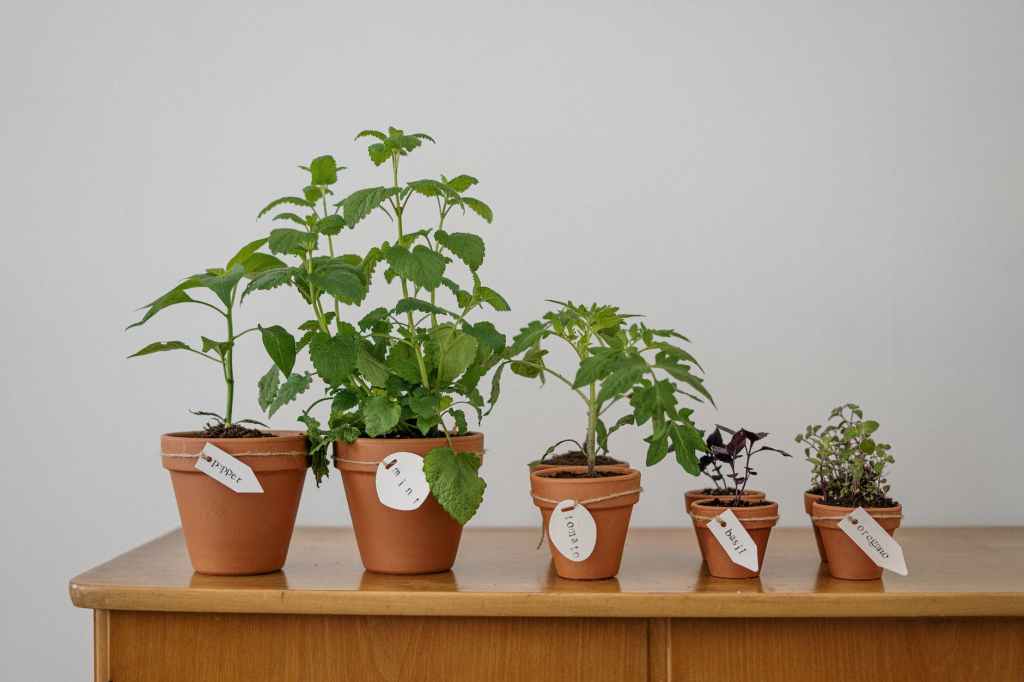
Terracotta pots are a popular choice for balcony gardens as they are porous, allowing for good air circulation around the roots. However, they can dry out quickly, so it is important to keep an eye on the soil moisture. Plastic pots are also a good option as they are lightweight and retain moisture well. They can be a good choice for herbs that require a lot of water, like basil.
Self-watering pots are another option for balcony gardens. These pots have a reservoir at the bottom, which allows the plant to draw up water as needed. They are a good choice for herbs that require consistent moisture, like mint.
Best Soil to Keep Herbs in
Herbs require well-draining soil that is rich in organic matter. The type of soil used can affect the growth of the plant and the flavor of the herbs.
Potting soil is a good option for balcony gardens as it is specifically formulated for container gardening. It is a blend of peat moss, perlite, and vermiculite, which provides good drainage and aeration for the roots. It is also rich in organic matter, which provides essential nutrients for the plant.
Compost can also be added to the potting soil to provide additional nutrients for the plant. Compost is a mixture of decomposed organic matter, like kitchen scraps, yard waste, and manure. It is a great way to recycle organic waste and create a nutrient-rich soil for plants. Our beginners guide to composting can help you get started.
Maintaining your Herbs Garden
When planting herbs in pots, it is important to fill the pot with soil up to an inch below the rim. This allows room for watering without overflowing the pot. It is also important to loosen the roots of the plant before planting to encourage growth.
Growing herbs on a balcony garden requires some maintenance to ensure healthy growth and optimal flavor. Here are some tips for maintaining herbs on a balcony garden:
- Watering: Herbs require consistent moisture, but it is important not to overwater them. Overwatering can lead to root rot and other problems. Check the soil moisture regularly and water when the soil feels dry to the touch.
- Fertilizing: Herbs require nutrients to grow, and regular fertilizing can help ensure healthy growth. Use a balanced fertilizer once a month during the growing season to provide essential nutrients.
- Pruning: Pruning can help promote bushier growth and prevent the plant from becoming too leggy. Regular pruning also encourages the plant to produce more leaves, which can be harvested for cooking.
- Sunlight: Herbs require at least 6 hours of sunlight a day to grow. Make sure the balcony garden is in a location that receives adequate sunlight. If the balcony garden does not receive enough sunlight, consider using grow lights to supplement natural light.
- Pests: Pests like aphids, spider mites, and whiteflies can be a problem for balcony gardens. Regularly inspect the plants for signs of pests and use natural remedies like neem oil or insecticidal soap to control infestations.
In conclusion, growing herbs on a balcony garden is a great way to add greenery and flavor to your living space. Choosing the right herbs for the season, using the right pots and soil, and maintaining the herbs with regular watering, fertilizing, pruning, sunlight, and pest control can help ensure healthy growth and optimal flavor. With a little bit of effort and care, anyone can enjoy the benefits of growing herbs on a balcony garden.
 The Balcony Harvest