
Growing vegetables in a balcony garden can be a great way to enjoy fresh produce and connect with nature, even if you don’t have a lot of space. With the right tools and techniques, you can grow a variety of vegetables that thrive in the cooler temperatures of autumn. In this extended post, we’ll dive deeper into the details of growing vegetables in a balcony garden, and we’ll highlight three types of vegetables that are perfect for Autumn: lettuce, kale, and carrots.
Lettuce
Lettuce is a leafy green vegetable that is easy to grow and perfect for fall. Lettuce is a cool-season crop that prefers cooler temperatures, making it an ideal choice for an autumn balcony garden. It’s also very versatile and can be used in a variety of dishes, from salads to sandwiches to wraps.
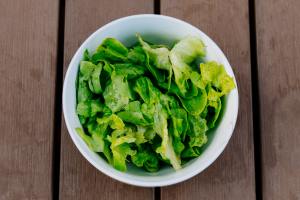
To grow lettuce in your balcony garden, choose a container that is at least 6-8 inches deep and has drainage holes in the bottom. Fill the container with a high-quality potting mix and sow the seeds according to the package instructions. Lettuce seeds are very small, so be careful not to sow them too deep. Once the seedlings emerge, thin them out so that each plant has enough space to grow. Keep the soil moist and provide your lettuce with at least six hours of direct sunlight each day. Harvest the leaves when they are large enough to eat, but before they start to bolt (go to seed).
Kale
Kale is another leafy green vegetable that is perfect for an autumn balcony garden. Like lettuce, kale is a cool-season crop that prefers cooler temperatures. Kale is also very nutrient-dense and is a great source of vitamins A, C, and K, as well as calcium and iron.

To grow kale in your balcony garden, choose a container that is at least 12 inches deep and has drainage holes in the bottom. Fill the container with a high-quality potting mix and sow the seeds according to the package instructions. Once the seedlings emerge, thin them out so that each plant has enough space to grow. Keep the soil moist and provide your kale with at least six hours of direct sunlight each day. Kale is a hardy plant and can withstand cooler temperatures, but it may need protection from frost. Harvest the leaves when they are large enough to eat, but before they start to wilt.
Carrots
Carrots are a root vegetable that is easy to grow in a balcony garden. They are perfect for fall because they can tolerate cooler temperatures and are sweeter after a frost. Carrots are also a great source of vitamin A and fiber.

To grow carrots in your balcony garden, choose a container that is at least 12 inches deep and has drainage holes in the bottom. Fill the container with a high-quality potting mix and sow the seeds according to the package instructions. Carrot seeds are very small, so be careful not to sow them too deep. Once the seedlings emerge, thin them out so that each plant has enough space to grow. Keep the soil moist and provide your carrots with at least six hours of direct sunlight each day. Carrots can take a while to mature, so be patient. Harvest the carrots when they are about 1 inch in diameter.
In addition to these three vegetables, there are many other types of vegetables that are perfect for an autumn balcony garden. Some examples include spinach, arugula, radishes, and beets. When choosing vegetables for your balcony garden, make sure to choose varieties that are well-suited to cooler temperatures and have a shorter time to maturity.
Growing autumn vegetables in a balcony garden is a rewarding and enjoyable experience that can provide you with fresh, nutritious produce throughout the season. With just a little bit of effort and the right tools and techniques, you can successfully grow a variety of vegetables that are perfect for cooler temperatures, such as lettuce, kale, and carrots. Not only will you be able to enjoy the fruits of your labor, but you’ll also be able to connect with nature and appreciate the beauty of the changing seasons. So go ahead, give it a try and start growing your own autumn vegetables in your balcony garden today
 The Balcony Harvest
Leave a comment